The Hidden Energy Costs in School Districts: Food Service, Third-Party Events, and What to Do About Them
Hidden energy costs in school districts show up in places most business managers never think to look. Food service, third-party events, and after-hours facility use all drive electricity expenses that rarely get tracked or recovered. DataWrangler by CLOCworks makes those costs visible so your district can act on them.
Most school district business managers manage the total electric bill as one number. However, that bill contains distinct cost centers. Each one can be tracked separately. In many cases, those costs can be recovered. You just need the right data to see them. To understand what is driving your bill at the highest level, read our overview of demand charges.
The Hidden Cost of Food Service Electricity
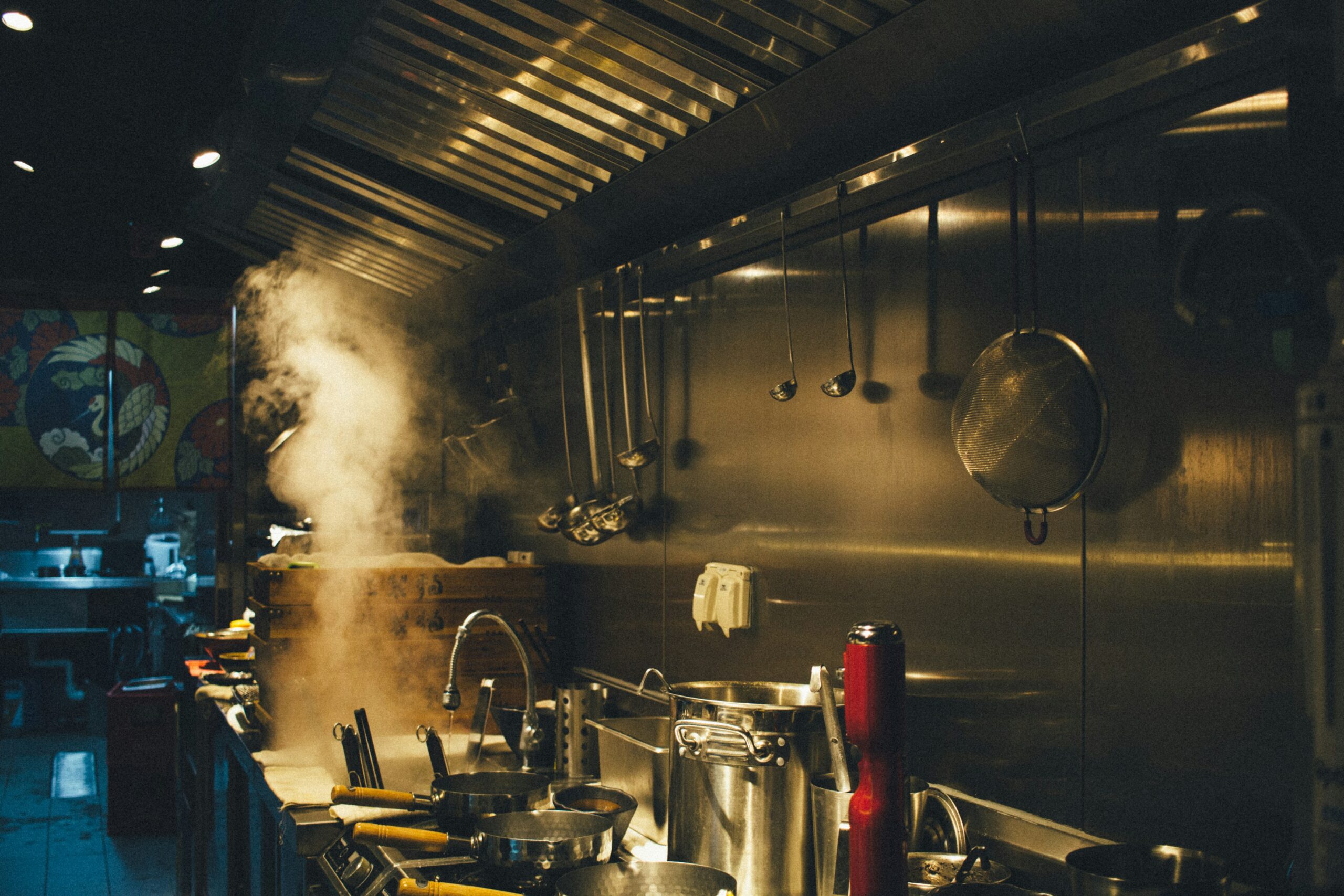
Kitchen and cafeteria equipment runs throughout the school day. Walk-in coolers and freezers run around the clock. Ovens, steam tables, and dishwashers run during meal service. All of that equipment draws power continuously, and that power costs money.
In many states, food service electricity qualifies for cost allocation to a separate fund. However, most districts cannot make that allocation without usage data tied specifically to food service operations. DataWrangler gives you that data in your monthly report. The USDA school meals program supports cost documentation for exactly this type of allocation.
Third-Party Events and After-Hours Facility Use
When outside organizations use your facilities, they use your electricity too. Community groups, sports leagues, private events, and rentals all consume energy that your district pays for. Furthermore, most districts have no system in place to track or recover those costs.
DataWrangler captures interval-level energy data across your building. As a result, we can show you exactly how much energy was consumed during specific time windows. That data gives your district the documentation needed to bill third-party users for the electricity they consumed.
Why These Costs Stay Hidden Without the Right Data
Utility bills do not break down costs by department or event. They show total consumption for the billing period. Without interval-level data tied to your building’s activity, there is no way to know which operations are driving your costs. That is exactly the gap DataWrangler fills.
In addition, most energy monitoring systems focus only on total building consumption. They do not give you the granular data needed to separate food service costs from instructional costs from after-hours facility use. DataWrangler does all three in a single monthly report. You can also see how we handle ENERGY STAR tracking for a complete picture of your building’s performance.
What Your Monthly Report Looks Like
Each month, DataWrangler delivers a report that breaks down your electricity and gas costs by function. You can see food service costs separately from general building operations. You can see after-hours consumption tied to specific events or time windows.
Moreover, the report gives your business office the documentation needed to support cost recovery filings. The U.S. Department of Energy’s school energy efficiency resources highlight cost recovery documentation as one of the most underutilized tools available to school districts. Instead of estimating what percentage of your utility bill belongs to food service, you have actual interval data to back up every dollar you recover.
Find Out What Your District Could Recover
Upload one utility bill and DataWrangler will show you where your hidden costs are and what your district could realistically recover. Visit our cut school electric bills 10 to 25% page to get started. Most districts are surprised by how much money has been sitting on the table.
No responses yet